14 Tropes All Romance Writers Should Know
If you spend any time around romance readers, you will quickly notice something interesting. People rarely say, “I just want a romance novel.” Instead they say things like, “I’m in the mood for enemies to lovers,” or “Do you know any good fake dating romances?”
That is the power of romance tropes.
What Are Romance Tropes?
At their simplest, romance tropes are recurring story devices or character dynamics that appear again and again in romantic storytelling.
They are not entire plots. Instead, they are frameworks that shape how a romantic relationship develops. They are the story setups that promise a particular emotional experience. The moment a reader hears “forced proximity” or “friends to lovers”, they already know what sort of journey they are about to take.
For writers, understanding romance tropes can be incredibly useful. They help shape tension, guide character development, and signal to readers exactly the type of story they will get.
Let’s take a closer look at popular romance tropes, what they are, why readers adore them, and how writers can use them effectively.
Popular Romance Tropes Readers Love
- enemies to lovers
- fake dating or fake relationship
- friends to lovers
- second chance romance
- grumpy and sunshine
- forced proximity
- slow burn romance
- workplace romance
- small town romance
- opposites attract
- only one bed
- marriage of convenience
- secret relationship
- age gap romance
Think about a couple of your favourite romance books or films, and identify the tropes used by the writers. Personally, I love all the Christmas films that use the fake dating trope. You know the one where the protagonist is so sick of her mother asking why she doesn’t have a boyfriend yet she resorts to hiring some random dude to act as her boyfriend for the season’s events. Who, of course, turns out to be her soul mate. Sigh.💘
Below, we’ll explore some of the most popular romance tropes in more detail, along with examples from well-known romance novels.
Tropes versus clichés in romance fiction
Tropes sometimes get mistaken for clichés.
A trope is simply a storytelling device. A cliché happens when the idea is handled in a predictable or uninspired way.
Take the enemies to lovers trope again. When executed well, it produces sharp dialogue, strong chemistry, and a satisfying emotional shift. When handled poorly, the characters dislike each other for no clear reason and the change of heart feels rushed.
A great example of the trope done well appears in Beach Read by Emily Henry, where two writers challenge each other to swap genres while gradually discovering deeper emotional connections.
Why Romance Tropes Are So Popular With Readers
The popularity of romance tropes is not accidental. They work because they tap directly into emotional storytelling.
Familiar emotional payoffs
Romance readers enjoy the anticipation of a particular emotional journey.
For instance:
- enemies to lovers promises tension and banter
- second chance romance promises emotional healing
- friends to lovers promises quiet longing
In Love and Other Words by Christina Lauren, the second chance romance trope explores the emotional impact of reconnecting with a first love years later.
Tropes create instant story tension
Tropes also create conflict from the very beginning of a story.
Consider the forced proximity trope.
In The Unhoneymooners, (Christina Lauren) two characters who strongly dislike each other end up on a honeymoon trip together after everyone else falls ill. Being stuck together in paradise naturally leads to tension, awkward moments, and eventually romance.
The trope creates the situation. The characters create the emotional development.
The influence of modern romance communities
Online book communities have amplified the popularity of tropes enormously.
Readers now share recommendations based on tropes, discuss favourite character dynamics, and build entire reading lists around specific romantic setups.
Many of the recent romance bestsellers gained attention because readers enthusiastically recommended them based on their tropes.
Examples Of The Most Popular Romance Tropes
While there are dozens of romance tropes, a few appear repeatedly across bestselling romance novels.
Enemies to lovers
This trope begins with two characters who clash strongly.
Their relationship might involve professional rivalry, personality conflicts, or deeply different perspectives.
Over time, tension gradually shifts into attraction.
A well known example is The Hating Game by Sally Thorne, where two publishing professionals compete constantly while slowly recognising their growing feelings.
Fake dating or fake relationship
In this trope, two characters pretend to be romantically involved for a specific reason.
Common motivations include family pressure, professional reputation, or social expectations.
A popular example is The Spanish Love Deception by Elena Armas, where the main character convinces a colleague to pose as her boyfriend for a family wedding in Spain.
Predictably, the pretend relationship becomes much more complicated than expected.
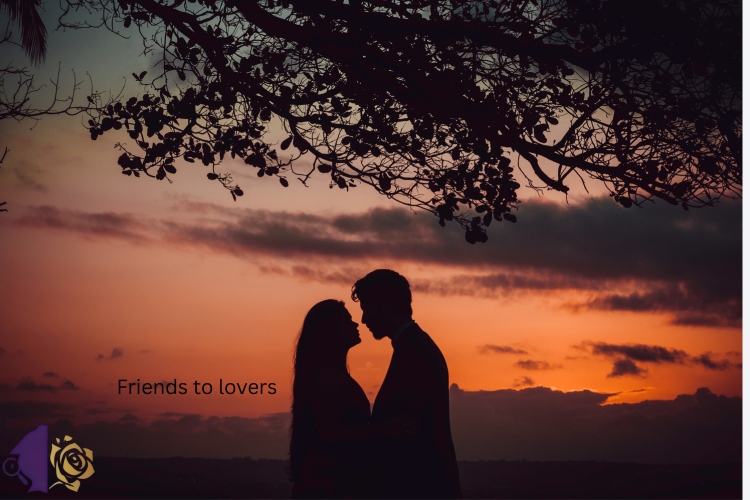
Friends to lovers
Friends to lovers stories begin with an existing emotional bond.
The tension comes from the fear that pursuing romance might damage the friendship.
A good example is People We Meet on Vacation by Emily Henry, which explores the complicated feelings between two long-time friends who take annual trips together.
Second chance romance
Second chance romances focus on couples who reconnect after a past relationship.
These stories often explore regret, forgiveness, and personal growth.
In Persuasion by Jane Austen, Anne Elliot reunites with Captain Wentworth years after being persuaded to reject him earlier in life. It remains one of the most famous examples of this trope.
Grumpy and sunshine
This trope pairs two contrasting personalities.
One character is reserved or cynical, while the other is optimistic and cheerful.
A charming example appears in It Happened One Summer by Tessa Bailey, where a free spirited socialite clashes with a serious fisherman in a small coastal town.
The personality contrast creates humour, friction, and emotional growth.
Forced proximity
This is one of the most searched romance tropes because it creates immediate tension. Two characters are placed in a situation where they cannot avoid each other, forcing emotional interaction.
Common setups include:
- being stranded during travel
- sharing accommodation
- being assigned to work together
- snowed in during a storm
A good example appears in The Unhoneymooners (Christina Lauren), where the main characters end up taking a honeymoon trip together despite strongly disliking each other.
Readers love forced proximity because the characters can’t escape the growing tension.
Slow burn romance
This trope focuses on a gradual emotional build, where attraction develops slowly over time rather than instantly.
Slow burn stories often include:
- lingering tension
- emotional intimacy before physical romance
- subtle shifts in the relationship
A strong example is People We Meet on Vacation by Emily Henry, where the romantic tension unfolds across many years of friendship.
Readers who enjoy slow burn romance tend to appreciate the emotional payoff that comes from patience.
Workplace romance
Workplace romance is extremely popular because it creates built in proximity and conflict.
The characters may be:
- colleagues
- professional rivals
- boss and employee
- collaborators on a major project
The Hating Game, by Sally Thorne is the story of two publishing assistants competing fiercely at work while developing undeniable chemistry. This trope works particularly well in romantic comedy.

Small town romance
Small town settings are hugely popular in contemporary romance.
These stories often include:
- tight knit communities
- returning home after time away
- family connections and shared history
A recent example is It Happened One Summer by Tessa Bailey, where a glamorous city socialite relocates to a small fishing town and clashes with a local fisherman.
Small town romances often combine several tropes such as grumpy and sunshine or second chance romance.
Opposites attract
In this trope, two characters with dramatically different personalities or lifestyles form an unexpected relationship.
Differences might include:
- personality types
- social backgrounds
- life goals
- professional worlds
A classic example appears in Pride and Prejudice by Jane Austen, where Elizabeth Bennet and Mr Darcy begin with strong misunderstandings before recognising their compatibility.
Opposites attract works because contrast creates both conflict and chemistry.
Only one bed
This is a smaller trope but extremely popular among romance readers and often mentioned in recommendations.
It usually appears in stories where two characters travelling together discover that there is only one bed available. I’m thinking of Dashing Through the Snow by Debbie Macomber.
This situation typically leads to:
- awkward humour
- heightened tension
- emotional vulnerability
It often appears as a moment within larger tropes such as forced proximity or fake dating.
Marriage of convenience
This trope has existed in romance for centuries and remains extremely popular.
Two characters enter a marriage for practical reasons rather than love. Over time, genuine affection develops.
Reasons for the arrangement might include:
- financial necessity
- social pressure
- inheritance conditions
- political alliances in historical romance
A historical example appears in Devil in Winter by Lisa Kleypas, where a strategic marriage gradually becomes a deeply emotional relationship.
Secret relationship romance
Secret relationship stories add a layer of tension because the couple must hide their feelings from others.
The secrecy may be necessary due to:
- workplace rules
- family expectations
- rival social groups
- professional reputation
Keeping the relationship hidden creates opportunities for emotional conflict and dramatic reveals.
An example appears in Red, White & Royal Blue by Casey McQuiston, where the central romance must initially remain hidden due to political implications.
Age gap romance
In this trope, the central couple has a noticeable age difference, which creates both attraction and tension. The story often explores themes of maturity, life experience, and emotional compatibility.
A well-known example is Birthday Girl by Penelope Douglas, where the heroine develops a relationship with an older man connected to her life circumstances.
How Writers Can Use Romance Tropes Without Feeling Predictable
Many writers worry that using romance tropes will make their story feel formulaic.
In reality, tropes become predictable only when characters feel flat.
Focus on character depth
Readers connect with characters first and tropes second. Even if two stories use the same trope, they will feel different if the characters have unique motivations and emotional histories.
Combine multiple romance tropes
Many bestselling romances combine several tropes.
For example:
- enemies to lovers combined with forced proximity
- fake dating combined with workplace romance
- second chance romance combined with small town settings
Layering tropes often creates richer emotional storytelling.
Subvert reader expectations
A trope can feel fresh when the story gently plays with reader expectations.
Perhaps the sunshine character hides deeper struggles, or the grumpy character reveals vulnerability earlier than expected. Small shifts like these can make familiar tropes feel new again.
Why Romance Tropes Continue to Delight Readers
Romance tropes have remained popular for generations because they capture something essential about storytelling.
They provide familiar emotional frameworks while still leaving plenty of room for creativity.
Whether it is enemies becoming lovers, friends discovering hidden feelings, or two people getting a second chance at love, romance tropes deliver the emotional journeys readers crave. And when those journeys are filled with compelling characters and heartfelt moments, readers happily keep turning the pages.
If you’re writing a romance and would like to chat about your novel (no obligation), then please do get in touch.
FAQ About Romance Tropes
What are the most popular romance tropes?
Some of the most loved romance tropes include enemies to lovers, fake dating, friends to lovers, second chance romance, forced proximity, and grumpy and sunshine.
Are romance tropes bad writing?
No. Tropes are storytelling frameworks used in every genre. What matters is how the writer develops the characters and emotional journey.
Can romance novels use more than one trope?
Yes. Many successful romance novels combine several tropes to create layered emotional dynamics.
Why do readers search for books by trope?
Readers often choose books based on the emotional experience they want. Searching by trope helps them quickly find stories they know they will enjoy.